
Manufacturing planning
How to Approve a Manufacturing Sample Before a Bulk Order
By FBG Sports
A practical sample-approval checklist for apparel brands, clubs and boxing-equipment buyers: measurements, materials, artwork, changes and written sign-off.
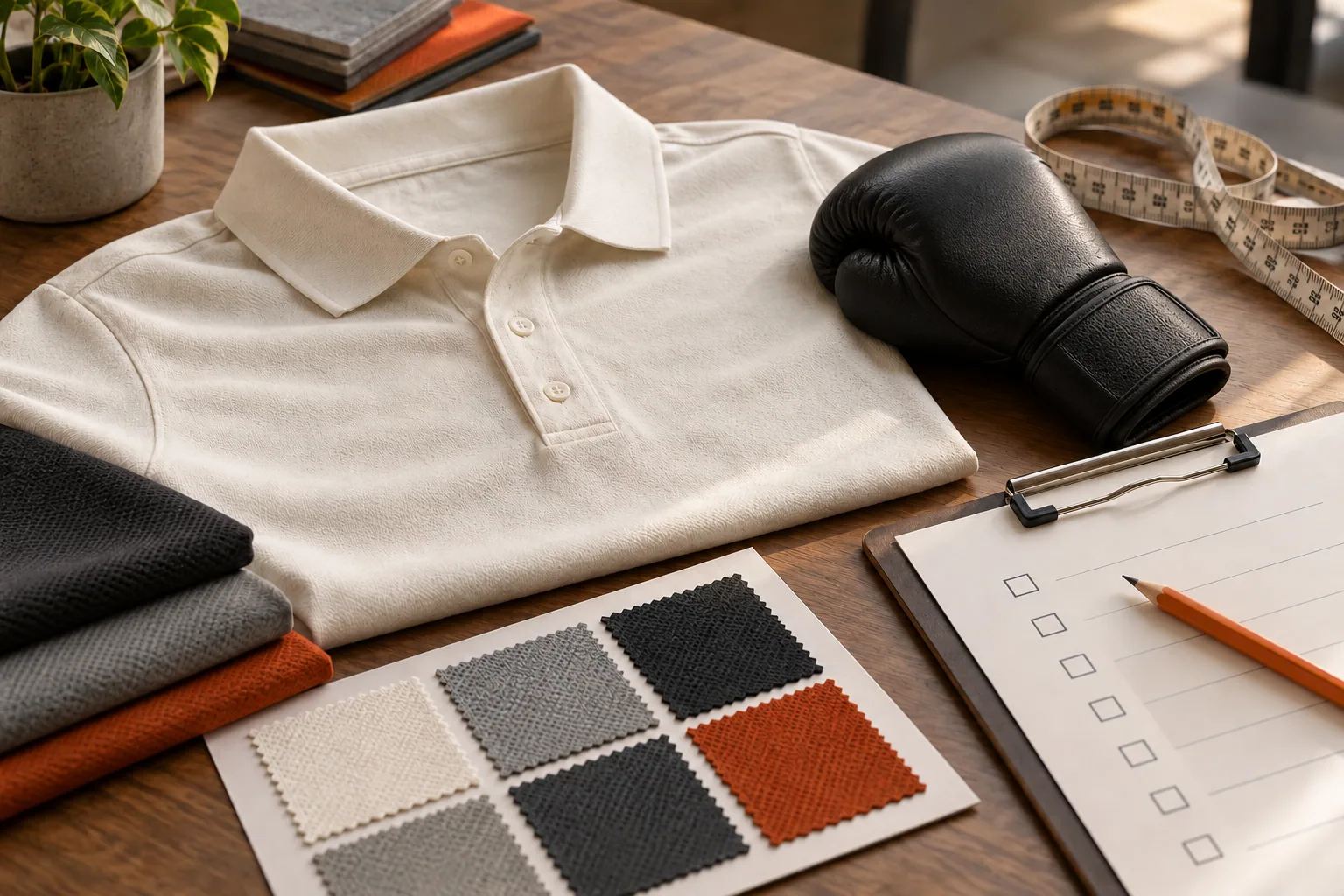
Agree what the sample is meant to prove
A development sample, print strike-off and pre-production sample answer different questions. Before paying for or reviewing a sample, record its purpose, product reference, version and the decisions it will support. Ask which materials, trims and decoration will match the proposed bulk order and which parts are temporary.
A digital preview helps communicate colours and artwork. It cannot confirm how a garment fits, how a material feels or how protective equipment performs. Review a physical sample and the relevant evidence when those decisions matter. These checkpoints are a starting point for an agreed specification, not a substitute for product-specific testing.
Turn the brief into a measurement and material checklist
For clothing, compare each agreed measurement point against the size chart and tolerance. Check composition, fabric construction, weight, lining, seams, fastenings and trims. On a tracksuit, record jacket and trouser measurements separately. Do not infer shrinkage or colourfastness from an unwashed sample; agree appropriate checks and record the conditions.
For boxing gloves, headguards or pads, document the selected construction, outer material, lining, padding, closure, size or weight and intended use. A visual inspection does not establish impact attenuation, competition approval or protection. Identify the documents or tests needed for the specific product and market before approving the order.
Inspect artwork in its actual position
Compare the logo file, print dimensions, placement, spelling and player numbers with the approved artwork. Review both sides and both pieces of a pair. Check that seams, cuffs, closures and curved panels do not interfere with the design.
Screen colours are not a binding material reference. Agree how colour will be approved, including any physical reference and the lighting used for comparison. Keep the exact artwork version with the sample record. Ask how the chosen decoration method affects the selected fabric or equipment surface.
Separate corrections from approval
Photograph each issue and identify its location, measurement or artwork version. Write the required correction and ask how it will be checked. Decide which changes require another physical sample and which can be reviewed through another agreed method.
Avoid an ambiguous message such as “looks good” when changes remain. Record whether the sample is rejected, conditionally accepted with named actions, or approved against a dated specification. Keep the approval reference available to both buyer and manufacturer. A sample sign-off should not silently change price, quantity or delivery terms.
Confirm the bulk order after the sample review
Reconcile the specification with quantities by size, colour or glove weight. Confirm labels, care information, packing, cartons and the destination. Ask how the bulk inspection points and any tolerances relate to the approved sample.
FBG Sports manufactures in Sialkot, Pakistan. Request the sample costs, minimum quantities, production timing, freight and delivery terms for your exact project. Confirm who handles import clearance, duties and taxes. Do not treat a sample approval date as a guaranteed arrival date.
Keep an approval record you can reuse
Retain the product reference, specification version, artwork files, measurements, photographs, change list and written approval. These records help later conversations about production and repeat orders; they do not guarantee that the same material, price or quantity will remain available.
- Sample purpose and model reference
- Measurements, tolerance and material specification
- Artwork version, dimensions and placements
- Outstanding corrections and how they will be checked
- Approval decision, date and agreed specification
- Quantities, packaging, destination and delivery responsibilities
Manufacturing guides
Plan your materials, samples and first production order.
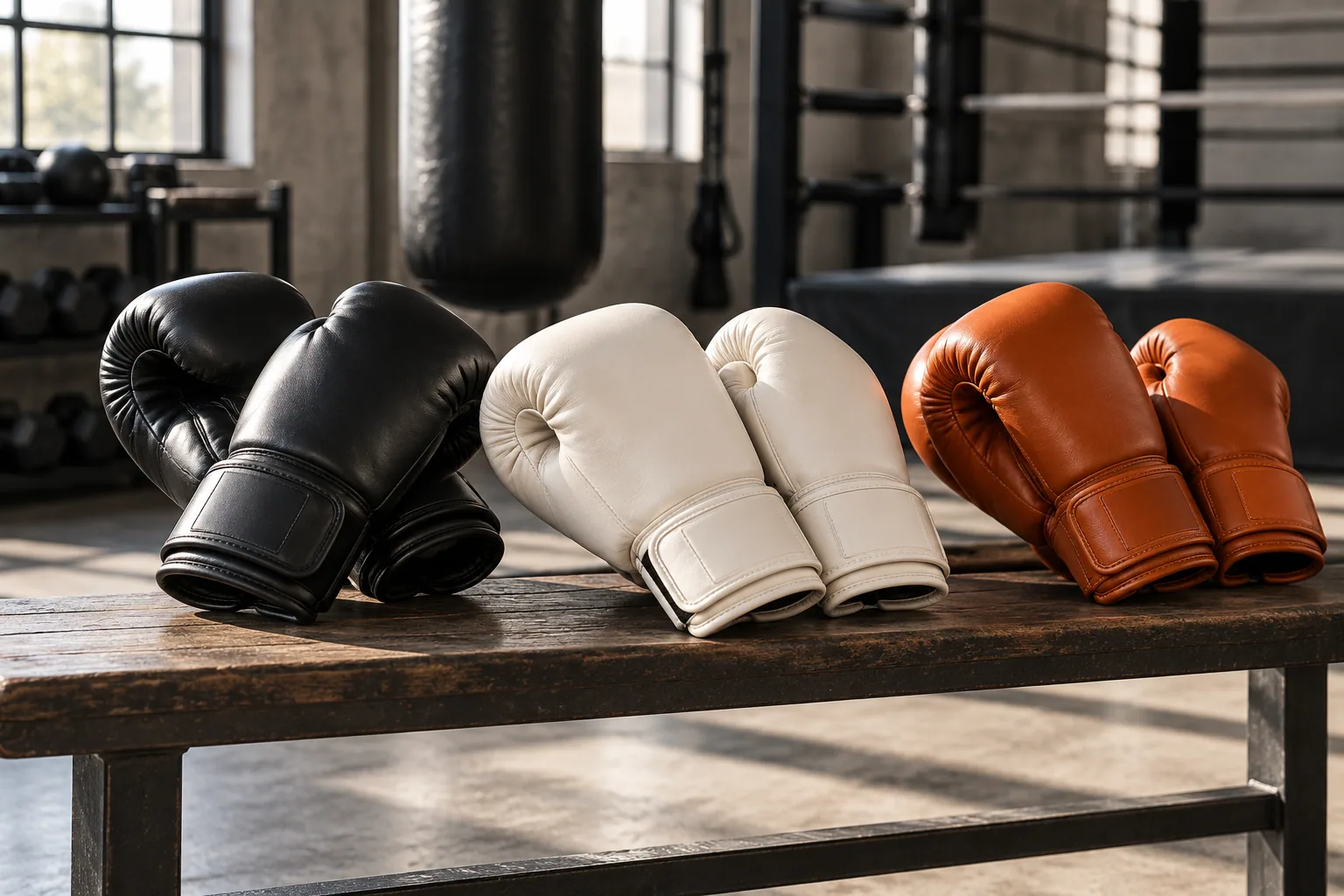
How to Start a Custom Boxing Glove Line for Your Gym
Plan a private-label boxing glove launch for your US gym: specifications, samples, a proposed 50-pair order, landed costs and a manufacturer quote checklist.
Read guide →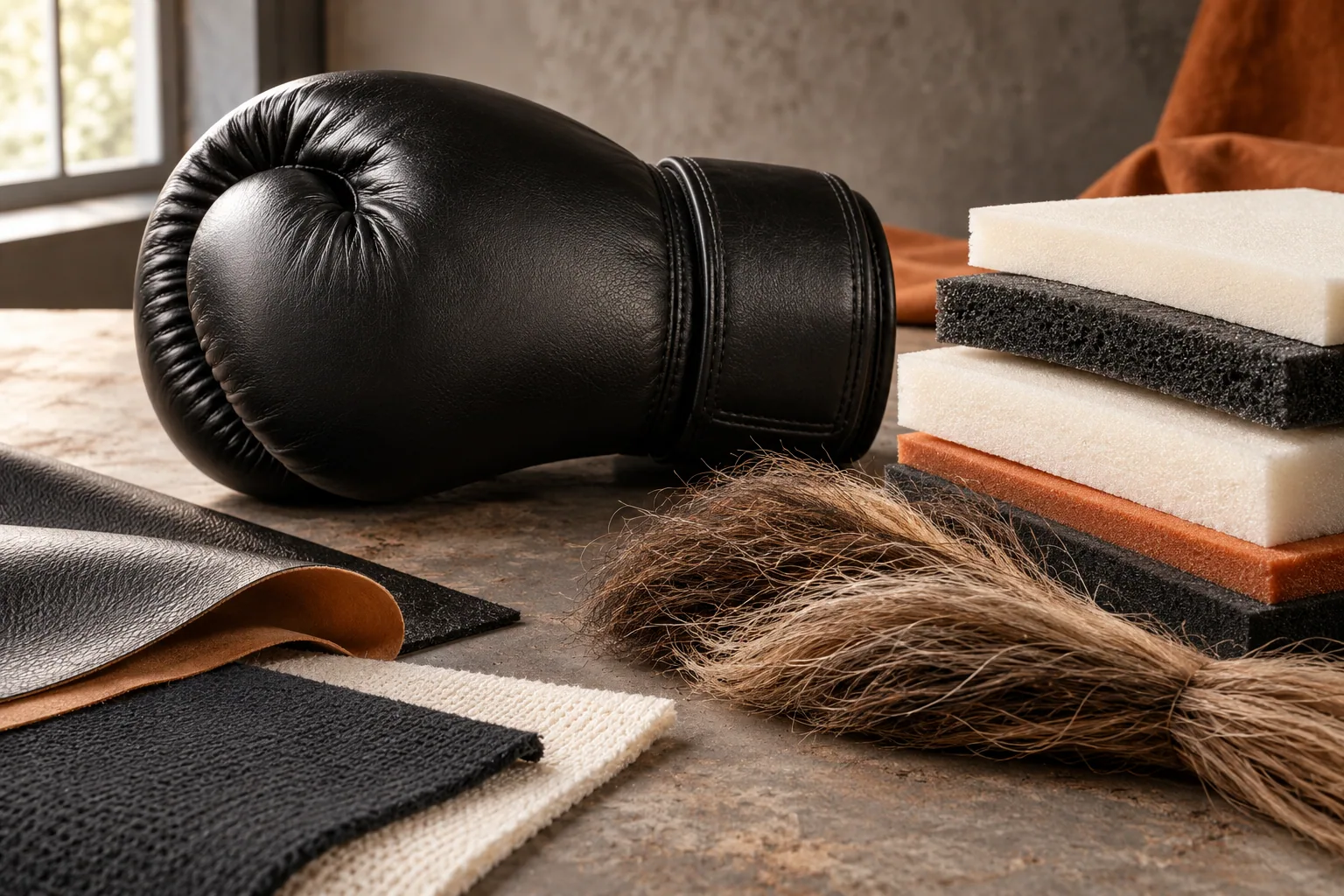
Anatomy of Championship Boxing Gloves: Polyurethane Foam vs Traditional Horsehair
A technical comparison of multi-layered EVA and high-rebound polyurethane shock dispersion cores versus traditional layered horsehair cores in title bout sanctioning standards.
Read guide →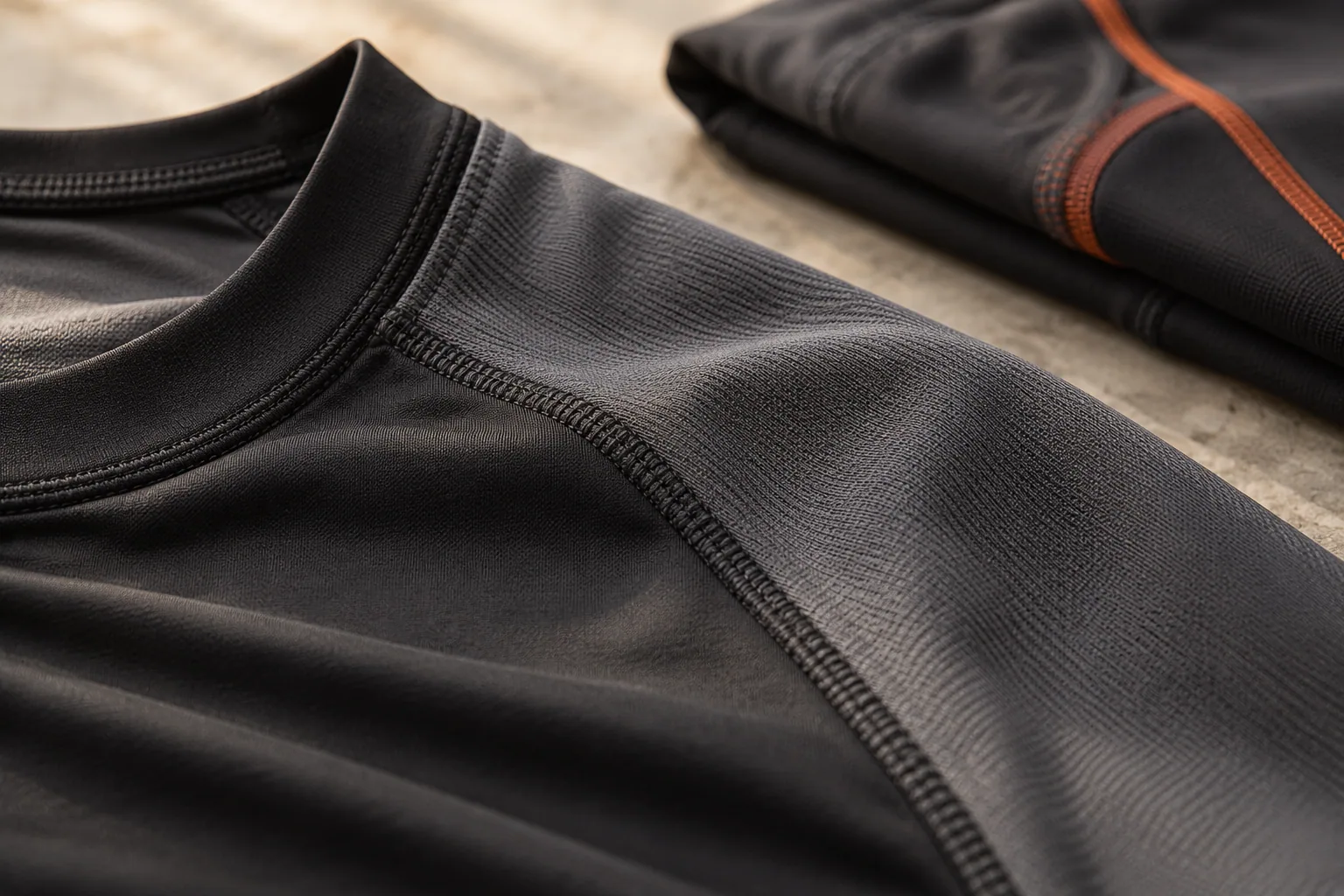
Tensile Mechanics of 6-Thread Flatlock Seaming in High-Friction Grappling Apparel
Examining the shear strength, seam elasticity, and skin abrasion prevention of six-thread flatlock lockstitch configurations under extreme mat friction.
Read guide →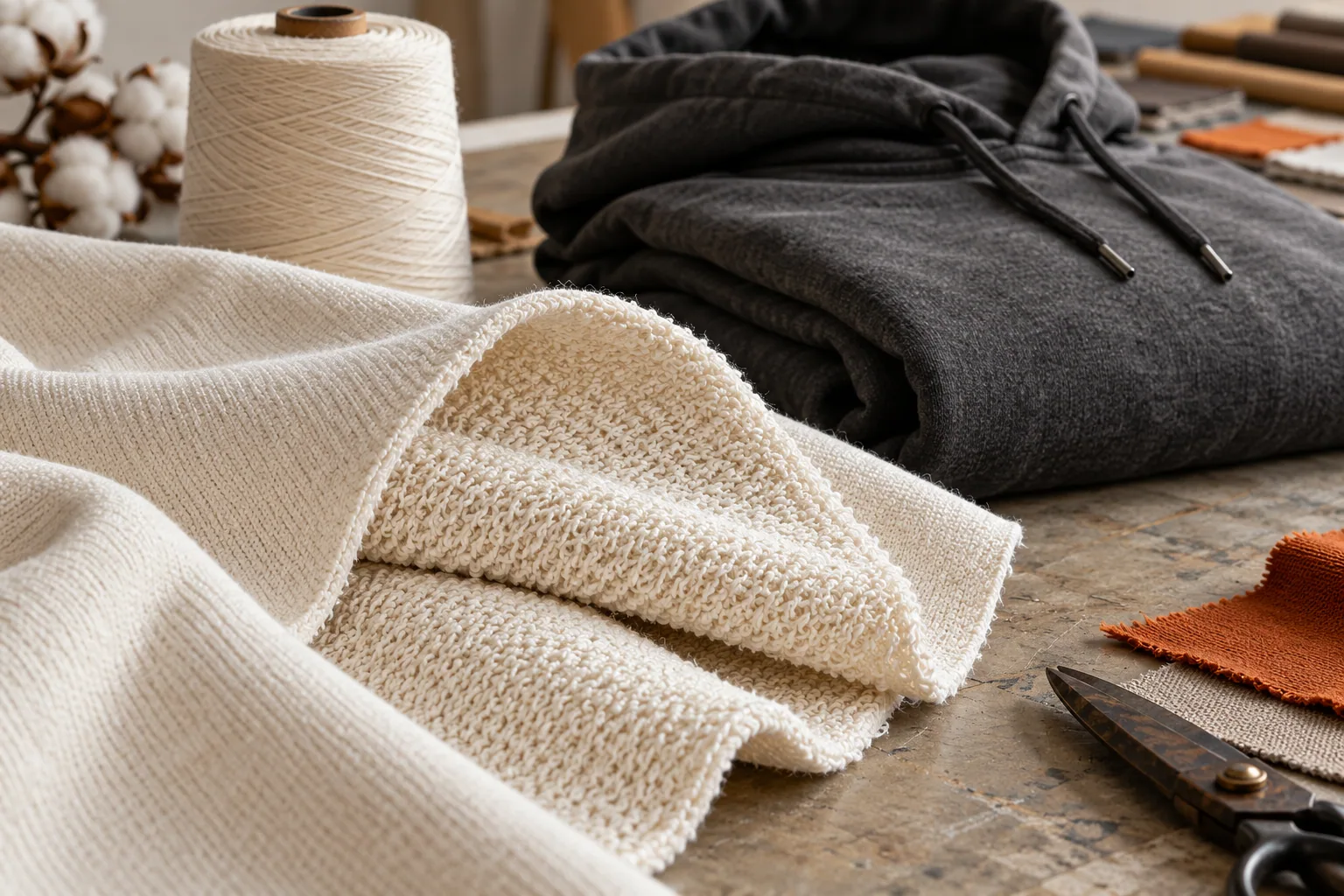
Sourcing 450+ GSM French Terry Cotton for Premium Heavyweight Combat Streetwear
What brand founders must evaluate regarding yarn counts, combed ringspun cotton fibers, shrink tolerances, and pigment dye lots for oversized boxy athletic hoodies.
Read guide →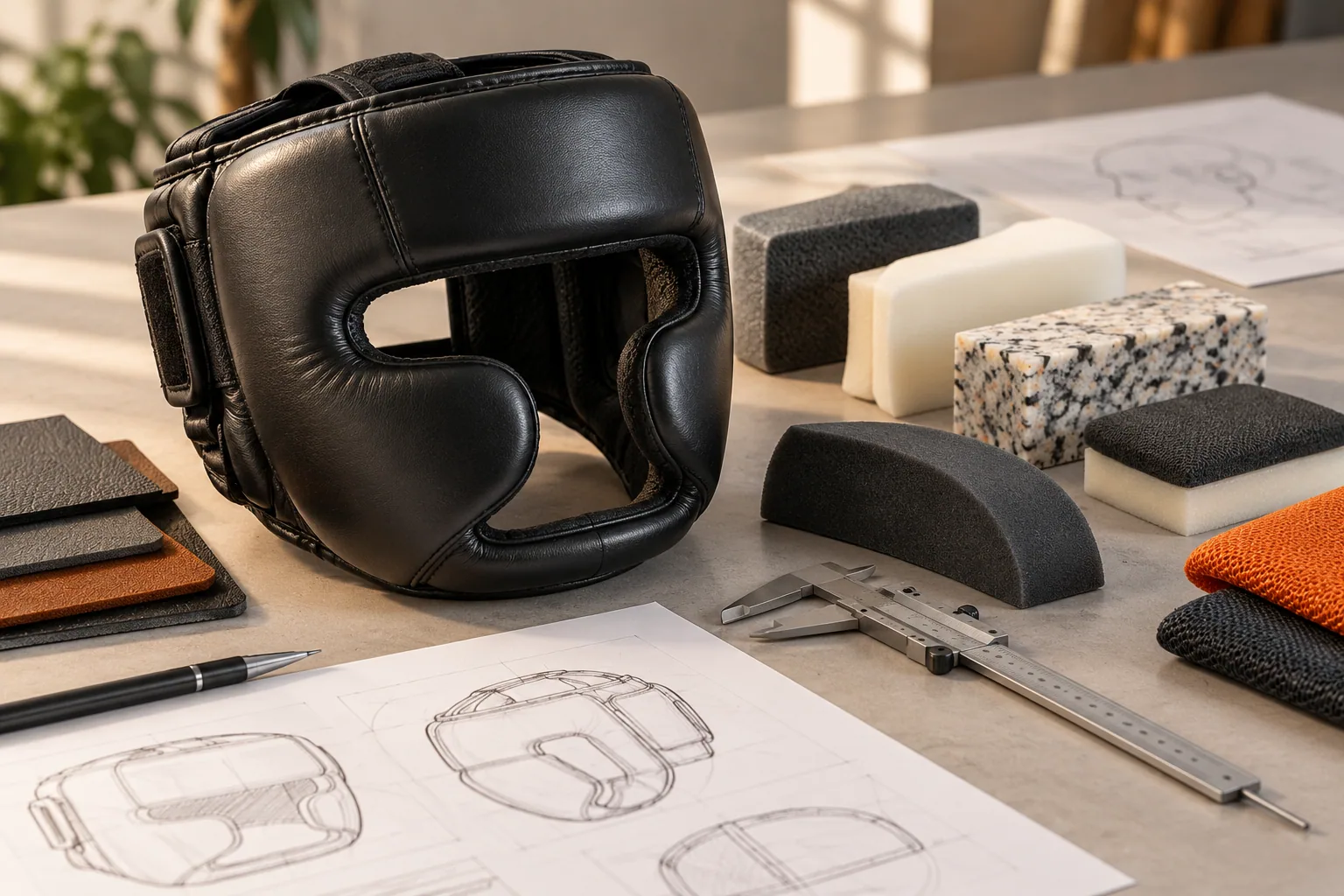
Drop-Tower Deceleration Testing: Impact Attenuation in Amateur Headguards
How our laboratory measures peak G-force deceleration and rotational shock mitigation to comply with international amateur and professional boxing commission rules.
Read guide →